
Monarch vs. Viceroy Butterfly: Both Regal in Name, Different in Nature
Monarch is a fittingly regal name for a butterfly that has become a global icon. The “super generation” of eastern monarchs we see at this time of year is especially remarkable. Unlike the three generations that precede it, this generation can survive up to nine months and travel up to 3,000 miles to reach the mountains of central Mexico, their destination for winter.
The migrating super generation of monarchs travels only during daylight hours, covering up to 150 miles or more in a single day. They ride thermals, columns of rising air, and navigate their journey using the sun’s warmth and their innate powers of instinct.(1)
Spotting a monarch along its phenomenal journey is a wondrous experience at this time of year. But it might also get you thinking, “Is this butterfly an actual monarch?” This is a great question because the monarch has a near look-alike―the viceroy, which also has a royal-sounding name.
Historically, a viceroy is a high-ranking official who governed a territory on behalf of a monarch. Given the butterfly’s close resemblance to the monarch, the name is an apt one.
In this article, we’ll focus on the differences between monarch and viceroy butterfly and what makes these variations worth noticing.
Several key differences
 Appearance & Size
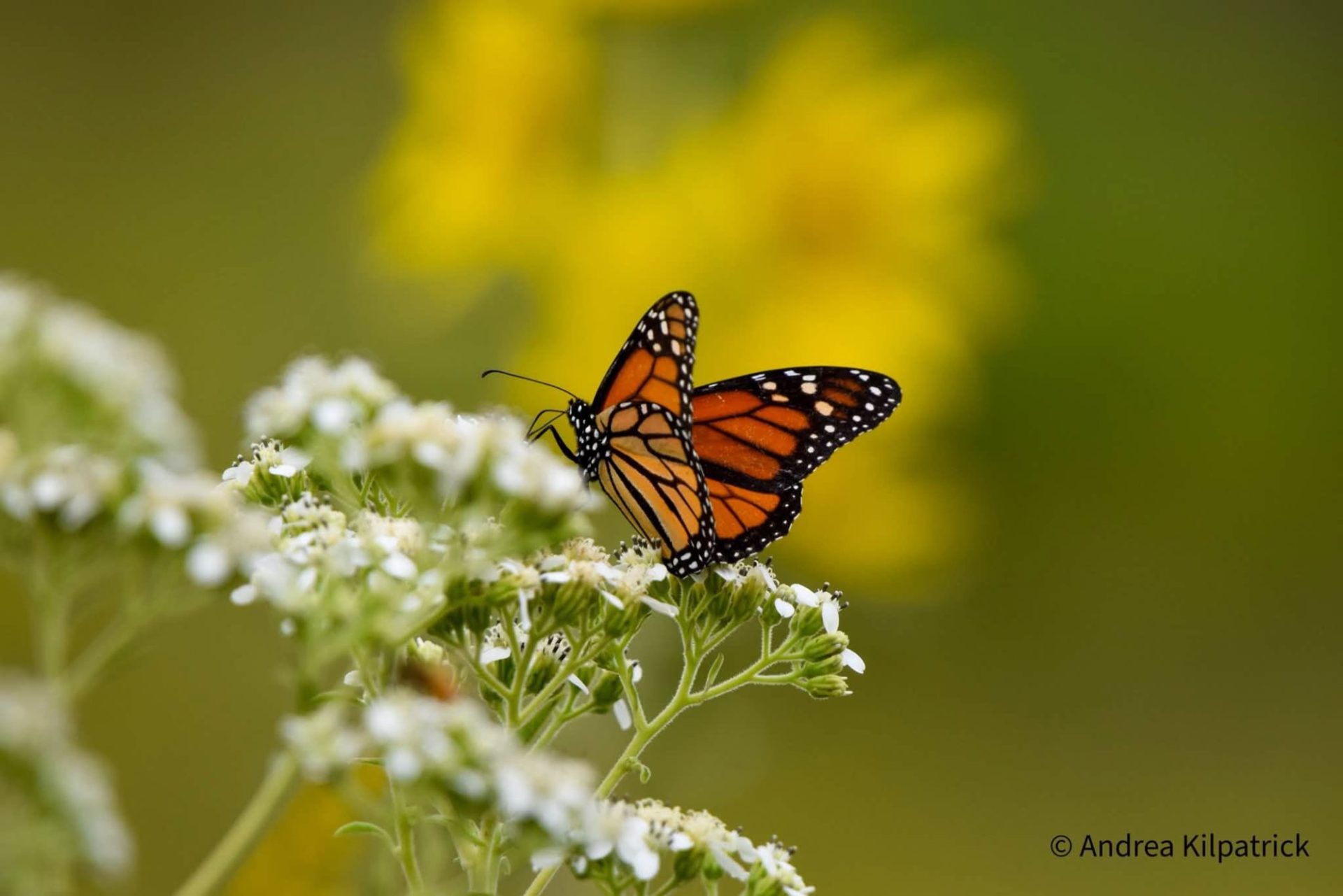
Monarchs and viceroy butterflies are examples of Müllerian mimicry, a biological defense in which two or more species share a similar warning coloration to ward off predators.(2) Both butterflies have distinctive orange wings with black veins. The main feature that distinguishes the viceroy is a thin black line across each hind wing. Viceroys are also a bit smaller than monarchs.
Movement
Monarchs can appear to sail through the air, while viceroys tend to have a faster, more erratic, zigzagging flight. When viceroys are at rest or moving slowly, they hold their wings in a flat shape. Monarchs frequently glide with their wings held slightly upward in a V-shape.
Migration Patterns
Unlike monarchs, viceroys do not migrate but generally remain in their local habitats. There are other life cycle differences as well, including dissimilarities in the caterpillar stage.
Conservation Status
The U.S. Fish and Wildlife Service proposed listing the monarch as a threatened species under the U.S. Endangered Species Act in December 2024. This species is not currently federally protected, though citizen science efforts help support monarch conservation and monitoring. Recent data shows monarch populations are increasing after years of decline, an encouraging sign for the species.(3)
Viceroys, by contrast, do not have comparable federal conservation status and remain a common and widespread butterfly across much of their range.
 Why it’s important to tell the difference
Accurate tracking of monarch populations requires reliable data. Also, viceroys and monarchs have different food sources. If you’re looking to attract monarchs to your garden, you can support them by planting native milkweed and certain nectar-producing wildflowers.(4)
Why the monarch matters
Besides being an iconic pollinator in North America, the monarch butterfly is an indicator of environmental and ecosystem health(5). These remarkable cross-country travelers are also powerful examples of resilience and species interconnectedness. Read more about what makes the monarch special in our 2025 blog article.
How The Parklands is helping
This week, volunteers and The Parklands staff will be out in our meadows catching and tagging monarchs. This is an annual program that is full for this year, so mark your calendars for next fall to get in on the action!
In the meantime, visit the meadows throughout the parks to see the amazing monarchs up close. In places like Seaton Valley in Turkey Run Park, goldenrods in full bloom provide nectar to help fuel the long journey of adult butterflies (caterpillars rely on native milkweed, their essential host plant). To learn more about the sprawling meadow and prairie landscapes in The Parklands, read this recent blog article.
 Make plans to witness the beauty and majesty
For monarchs and viceroys, royalty reigning in the wild, the distinctions are important ones. But enjoying their beauty and the majesty of their flight is a magic all its own. We hope you have the opportunity to experience it for yourself at the parks now through early October.

Sources:
- Candy Sarikonda, “Fall Migration ‒ How Do They Do It?,” Monarch Joint Venture, September 25, 2014
- Rebecca Chandler, “Monarch Lookalikes and How to Tell the Difference,” Save Our Monarchs, April 17, 2018
- “Monarch Butterfly Population Increases by 64%,” World Wildlife Fund, March 17, 2026
- Karen S. Oberhauser, “Eastern North American Butterfly Conservation Needs and Opportunities,” National Library of Medicine’s National Center for Biotechnology Information, February 25, 2026
- “Monarch Importance,” Monarch Joint Venture, September 25, 2014