
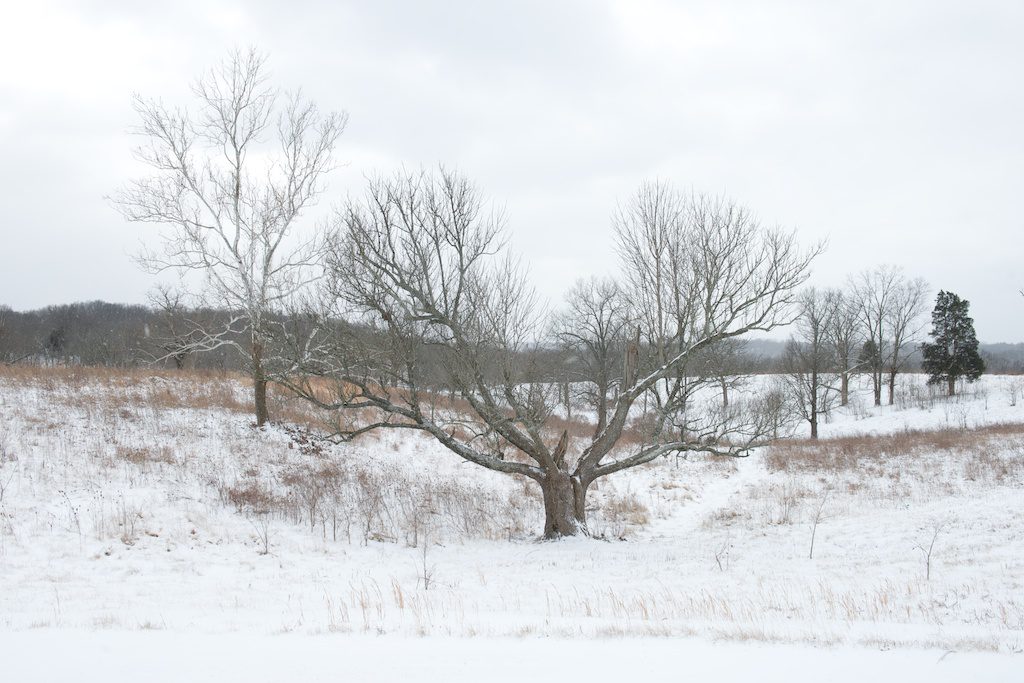
Winter at The Parklands: The Joys and Benefits of Being Outdoors in Nature
The days are short in the wintertime, but the joys are many. Right after the first day of winter, starting on December 22, we’ll be welcoming campers who are all bundled up and excited for a day of adventure. On weekend mornings, we see similar enthusiasm from exercise groups huddled up around cars in parking lots before setting out on the Louisville Loop.
What motivates people to get outside when temperatures fall somewhere between brisk and brrrrrrrr? For some, it’s the satisfaction of keeping routines going. For others, it’s the peace and quiet of a wondrous winter landscape.
Here, we explore 10 reasons to get outside in the parks during winter, and you may have a few of your own to add.

Fresh, invigorating air
Cold air can feel invigorating and refreshing, especially after having been indoors for a while. Before even taking your first step on a trail, you can feel it on your cheeks and see it turn into little clouds with every exhale. Just the sight of these suspended puffs of water-vapor-filled air, created by your own breath, can bring a surprising sense of joy.
Seeing and feeling daylight
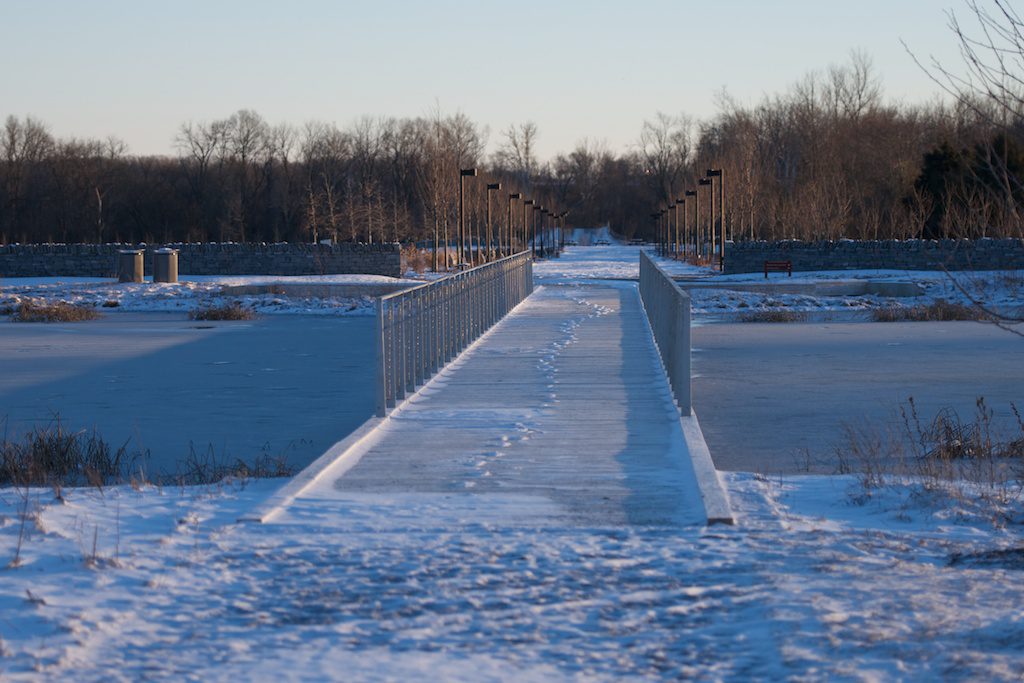
Spending time outside and soaking up sunlight can help keep your mind sharp and increase your body’s production of Vitamin D.* If you’re looking for a daylight boost—or a counter to cabin fever—consider a walk along open trails such as the Louisville Loop in the Distillery Bend area of Beckley Creek Park, the John Floyd Fields Fitness Circle in Pope Lick Park, or the Lowland Plain Trail in Broad Run Park.
Throughout the parks, benches offer perfect spots to pause, breathe deeply, and soak in the light.
*Source: Jennifer Daily, M.D., “What Are 7 Great Benefits to Cold Weather Workouts?,” UofL Health, January 24, 2025
 A refreshing shift in pace
After weeks of holiday bustle, when every hour feels like rush hour, you might be ready to slow down. Moving through nature at an unhurried pace gives you a chance to decompress, immerse yourself in your surroundings, and appreciate both the big forest picture and the small details.
There might be days where you want to take it easy and others when you’re seeking to be more active. Winter offers rewards for whatever pace works best for you.
If you are a year-round exerciser, you can benefit by maintaining your routine. Sticking to outdoor workouts can support your health and wellness, though it’s important to take measures to exercise safely. For guidelines on getting out and moving in the wintry elements, see the UofL Health article referenced above.
For any winter adventure at the parks, remember to know your limits, stay hydrated, and dress in layers appropriate for the weather. During colder and wetter months, we recommend taking paved or crushed gravel trails and being mindful of conditions like ice. For trail recommendations and safety tips, see our Guide to Fall and Winter Hiking.
Easy nature getaway
Since The Parklands is in Louisville, stretching all the way from Shelbyville Road on the northern end to Bardstown Road on the southern end, it’s a haven you can enjoy without a major road trip. Open 365 days a year and free to enter, the park system is just a short drive from our city’s downtown area.
 Break from screen time
One joy of getting outside is taking a break from being online. Reducing screen time can mean more time with family and friends—or quiet, serene moments for yourself, depending on what you’re looking for. While it’s important to have your phone with you on your park adventures, you can still disconnect from your digital devices and connect with nature in meaningful ways.
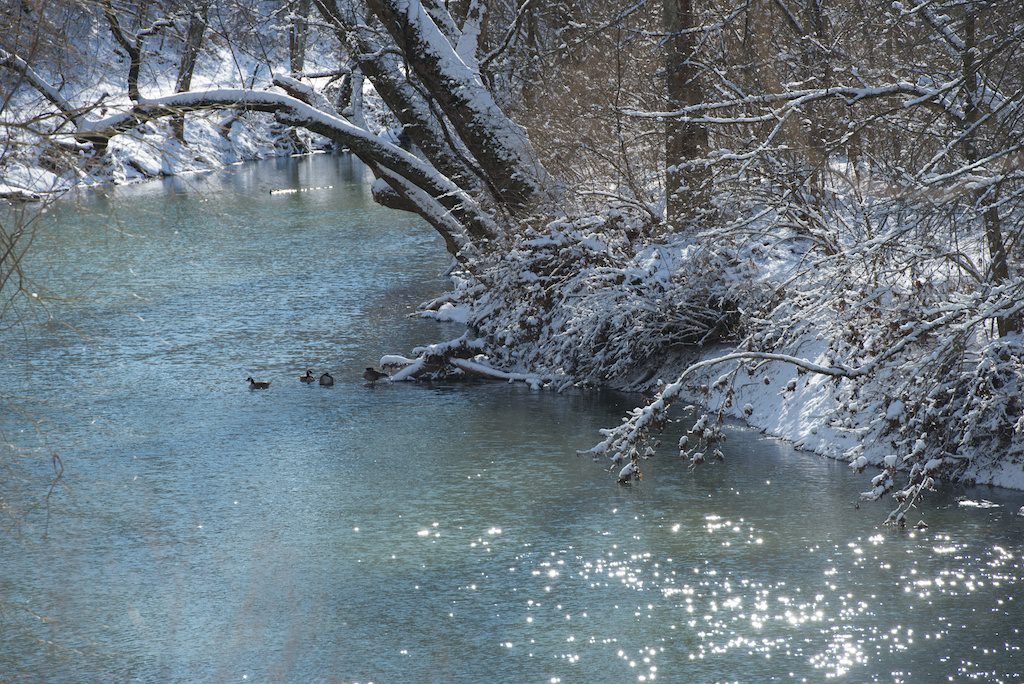
Instead of taking in a constant stream of information, you can relax to the soothing sounds of the Floyds Fork stream. Rather than scrolling for an hour, you might enjoy a leisurely stroll through beautiful landscapes. By stepping back from screens, you give yourself the chance to move forward mindfully.
Research supports this: One study cited by a 2025 Mayo Clinic article* found that putting down your phone to spend time outdoors—or engaging in another enjoyable activity—can boost mood, enhance your sense of accomplishment, and improve overall well-being.
*Source: Mayo Clinic Staff, “Mayo Clinic Q and A: 4 Health Benefits to Cutting Back Screen Time,” Mayo Clinic News Network, April 8, 2025
New park perspectives
If you’re a frequent visitor to the parks, familiar landscapes will look a little different in winter—still beautiful, but more muted in color and full of subtle nuances. The middle of winter is often called the “dead of winter,” but life shows itself when you know where to look.
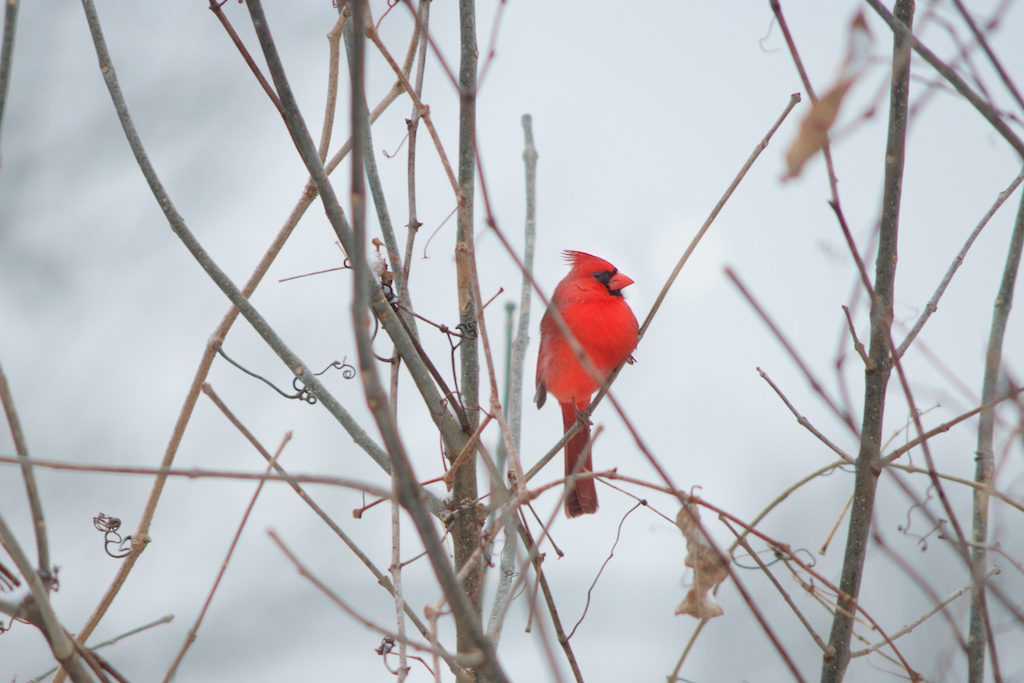
With leaves fallen, the twisting limbs of forest trees are easier to see, and the texture of bark becomes almost like a field guide for identifying species. Since many of the deciduous trees in forests are bare and canopies are less effulgent, birds like Cardinals, owls, and the White-throated sparrow are more visible.
As you walk along the Louisville Loop and cross bridges, take a moment to glimpse Floyds Fork. Its frozen edges and intricate ice patterns make it especially captivating in the winter season.
Moments of wonder
Unusually shaped tree branches, ice along stream banks, and delicate frost flowers that appear after a bout of warmer weather are just a few of the winter wonders you can experience at the parks. When snow falls, it adds to the enchantment, giving the feeling that you’ve stepped into a storybook.
 Signs of wildlife
Another reason to hike in winter is to spot signs of wildlife. Snow and forest floors reveal footprints and movement patterns, offering clues about the animals around you. Eastern cottontail rabbits, for example, slow down to conserve energy but still make short trips along field edges or through brushy areas to find food.
Birds are active too, though they move differently than in warmer months. Rather than taking long flights, many hop and flutter between hedgerows and feeding areas. Their calls become more efficient as well—short “chips” help them stay connected with their flocks.
Larger birds can be easier to see in winter. Herons may appear solitary, standing still along the water’s edge, while bald eagles can often be spotted perched high in trees near the Floyds Fork stream.
Sense of accomplishment
Getting out of bed on a chilly winter morning can take some motivation, but the reward of spending time outdoors often lasts all day. Once you’re out and about, you might even treat yourself to a cup of coffee or tea to celebrate the morning adventure.
 The peaceful quietude of it all
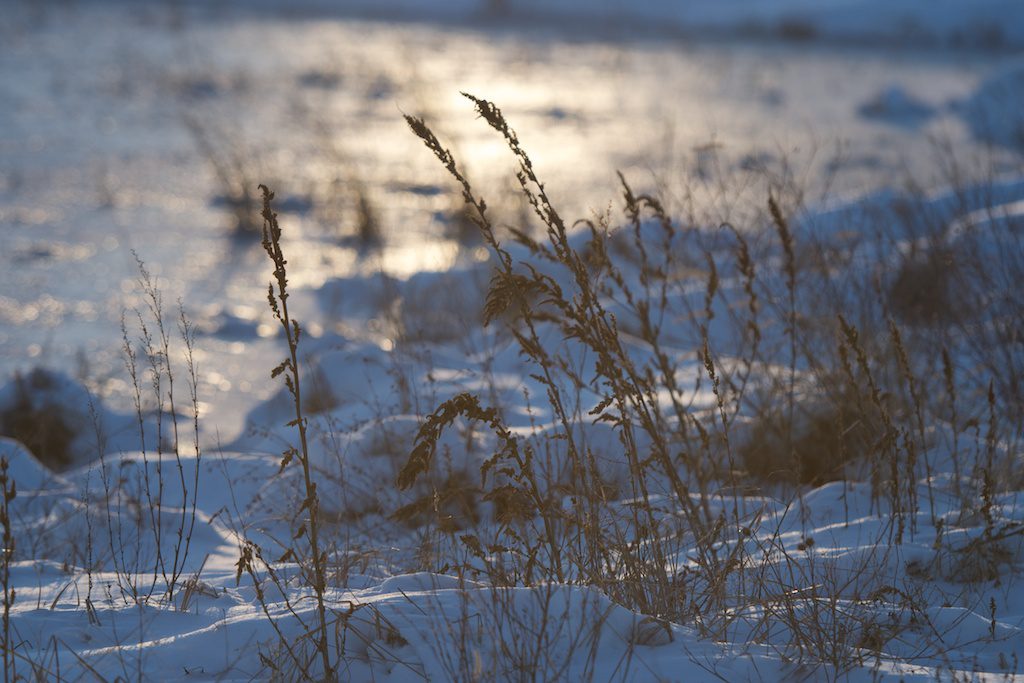
Spending time at the parks in winter offers a markedly distinct experience than heading out in, say, peak summer. There are fewer people and cars, and you probably won’t hear cheers or whistles from sports fields. The atmosphere is quiet and serene—a welcome contrast if you’ve had a hectic day or week.
At dawn, as the parks open, you might be greeted by low fog drifting over Floyds Fork, soft morning sunlight, distant echoes of activity at nearby farms, and the gentle taps of a woodpecker. While the light grows brighter as the day progresses, there is rarely a dramatic crescendo—just a subtle, flowing cadence that seems to seep into your being.
Share your joys
If you experience a wondrous or joyous moment at The Parklands this winter, we’d love to see it. Tag us in your photos on social media for a chance to be featured in our weekly #PhotoFriday feature or in our newsletter. You can also share your image on our website: Submit Your Photo