
A Season of Clues: Looking for Traces of Wildlife in Winter
Winter may feel like a quiet season in the parks, but there’s still plenty of wildlife activity happening just out of sight! With leaves off the trees and vegetation thinned back, winter is one of the best times of year to notice the subtle clues animals leave behind. Track and sign offers a glimpse into who’s been moving through the parks and what they’ve been up to.
What is Track and Sign?
Track and sign is the practice of observing and interpreting the clues animals leave behind, such as tracks (footprints), and other signs like feeding marks, scat, nests, and disturbed vegetation. These signs help tell the story of wildlife behavior, even when animals themselves remain hidden.
Why Winter Is an Ideal Time to Look
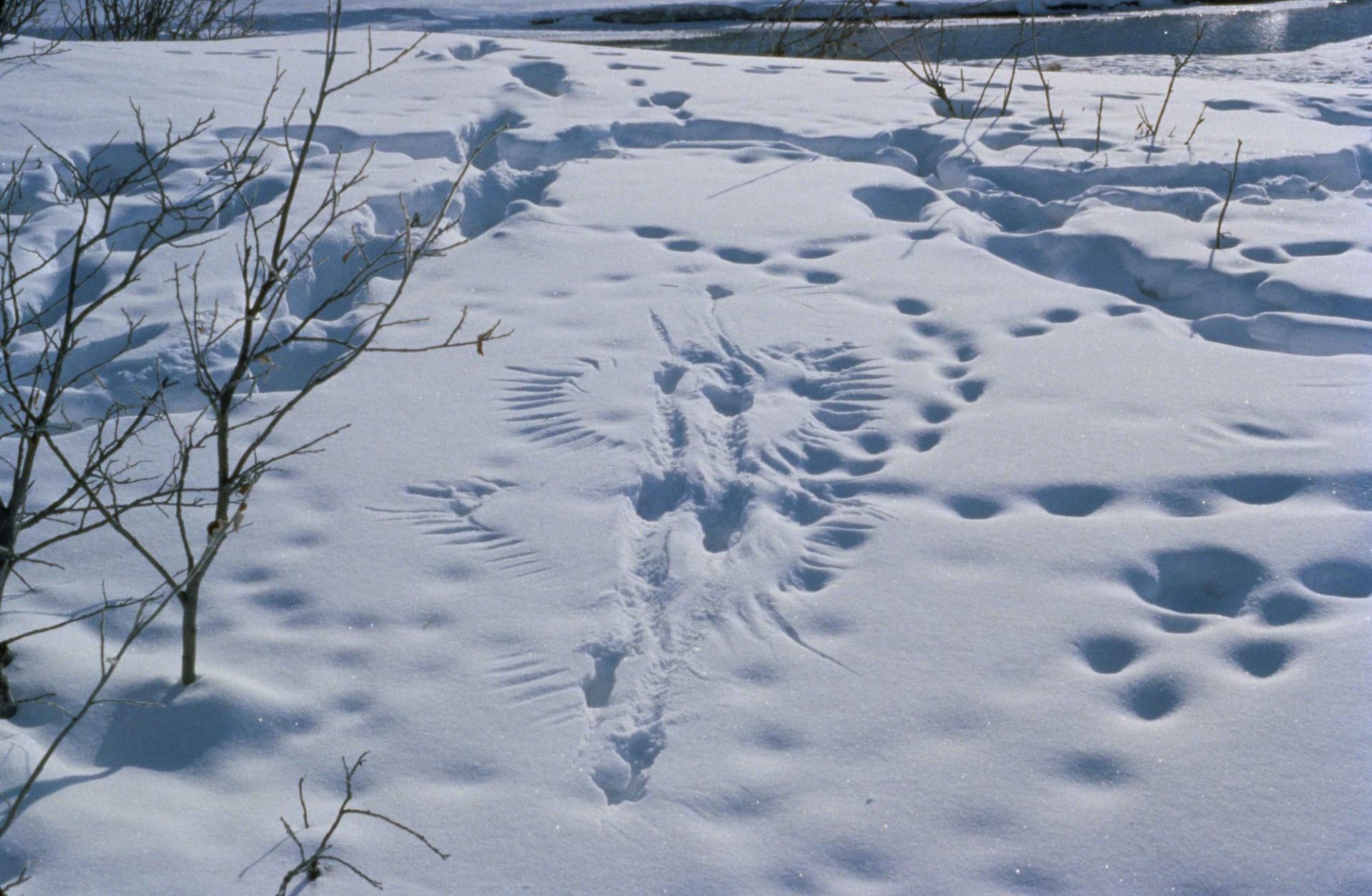
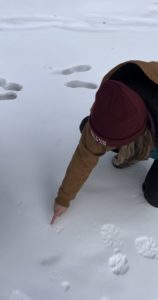
Winter conditions often make tracks and sign easier to spot. Soft mud along creek banks, frost on the ground, and occasional snow can capture crisp impressions of feet, hooves, and tails. With fewer leaves covering the forest floor, signs like gnawed nuts, scratched bark, and scattered feathers are more visible than during the growing season.
Cold weather also concentrates animal movement around reliable food and water sources, increasing the chances of finding repeated tracks in the same areas.
Common Tracks to Watch For
Some of the commonly seen winter tracks in Kentucky include:
White-tailed deer:
Heart-shaped hoof prints often found along trails and open fields.
Raccoons:
Hand-like prints with long toes, commonly seen near water.
Coyotes and foxes:
Narrow, oval tracks with visible claw marks, usually traveling in straight lines.
Squirrels and rabbits:
Bounding patterns where front and back feet land close together.
Pay attention not just to the shape of the track, but also the pattern. A steady walking line, a zigzag path, or long leaps can reveal how an animal was moving and why.
Signs Beyond Footprints
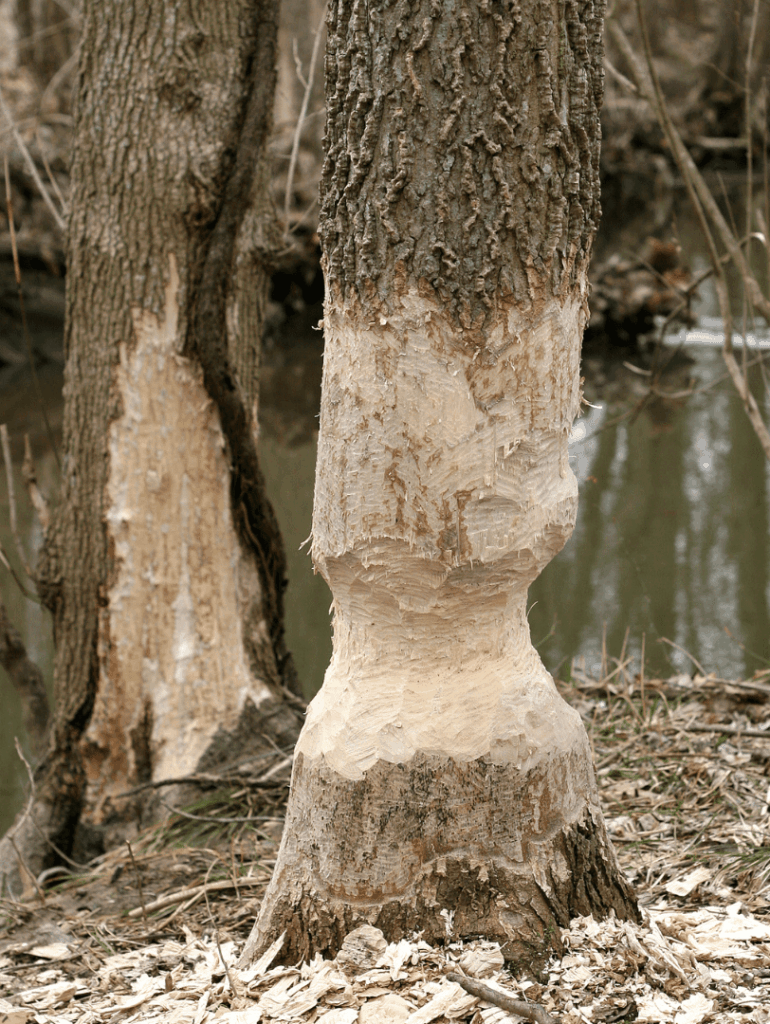
Beaver Chews
Tracks aren’t the only clues worth noticing! Other signs you my notice in the winter are:
- Chewed acorns or nutshells beneath trees
- Bark stripped or gnawed by deer or rodents
- Scat that offers hints about diet
- Feathers left behind from a recent meal
- Flattened grass or leaves where animals rested
Tips for Getting Started
-
Look along muddy trails, creek edges, and open fields, where impressions are more likely to form.
-
Move slowly and scan the ground ahead rather than straight down.
-
Take photos to compare later with a field guide or app.
-
Remember that tracks are temporary. Freeze-thaw cycles and rain can change them quickly.
A Quiet Way to Connect With Nature
Tracking is less about finding something rare and more about learning to notice what’s already there. Even familiar species leave fascinating stories behind. Winter invites a slower pace and closer observation, making it an ideal season to sharpen these skills.
On your next winter walk, pause and look for the subtle marks beneath your feet. The landscape may be quiet, but it’s full of stories waiting to be read.
For more ways to keep learning this winter, explore our staff-recommended reading list, which includes books on track and sign alongside other nature topics.