
9 Trees Commonly Found at The Parklands
Nearly 3,000 acres of forestland make up The Parklands. Among these forests are some remarkable trees, most notably the Venerable Oak in the Moss Gibbs Woodland Garden at Broad Run Park. This majestic bur oak, estimated to be more than 130 years old, is now so beloved that a path winds around it, offering an almost 360-degree view.
Also remarkable, from a preservation standpoint, are the trees that our Horticulture and Natural Areas team is working to revive with the help of community partners. These include young chestnuts growing in groves at Beckley Creek and Broad Run Parks, funded by the Gibbs Foundation.
Beyond these examples, many other trees can be found throughout the parks. Here, we’ll explore nine of the more common species at The Parklands and highlight some of their distinctive characteristics.

 Sugar Maple
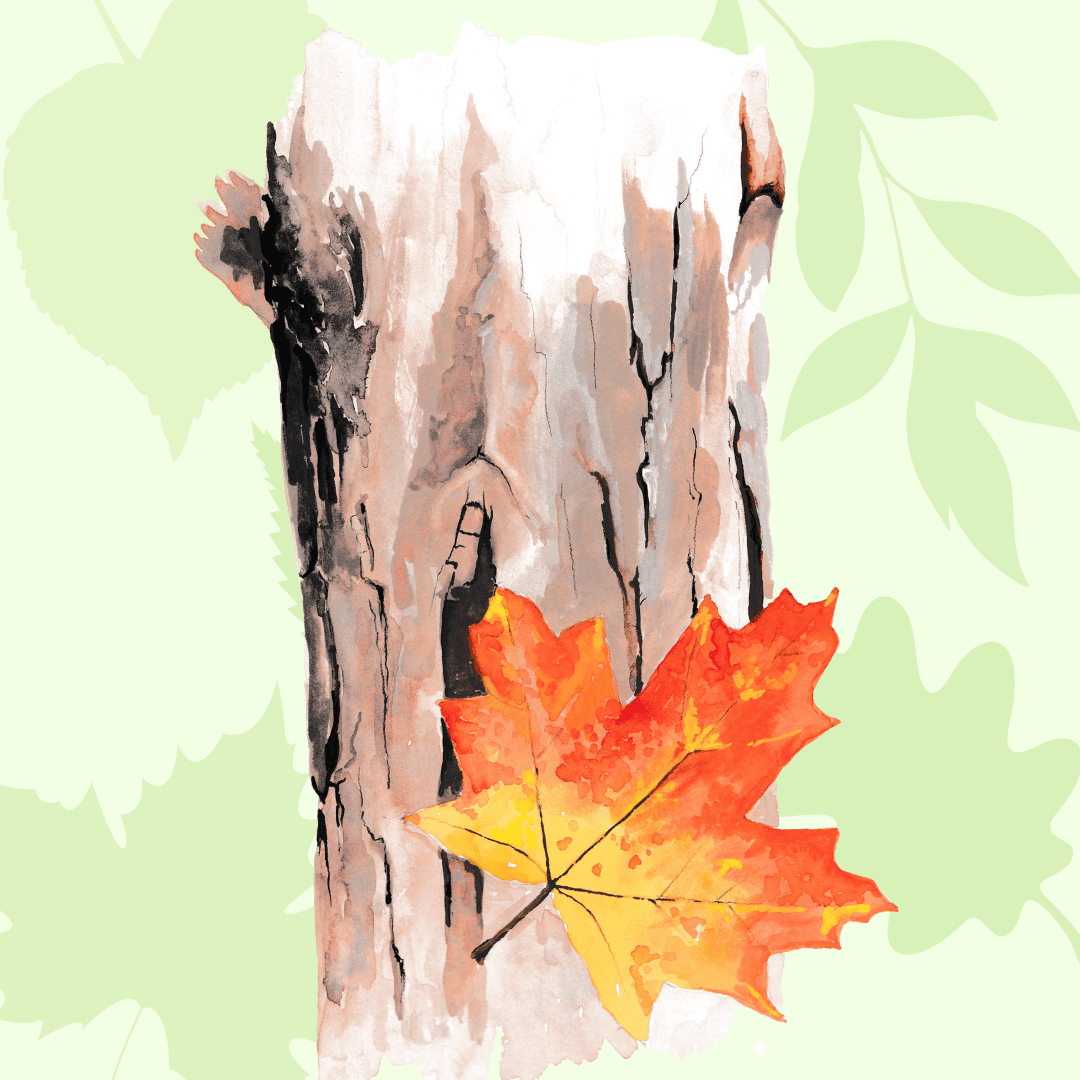
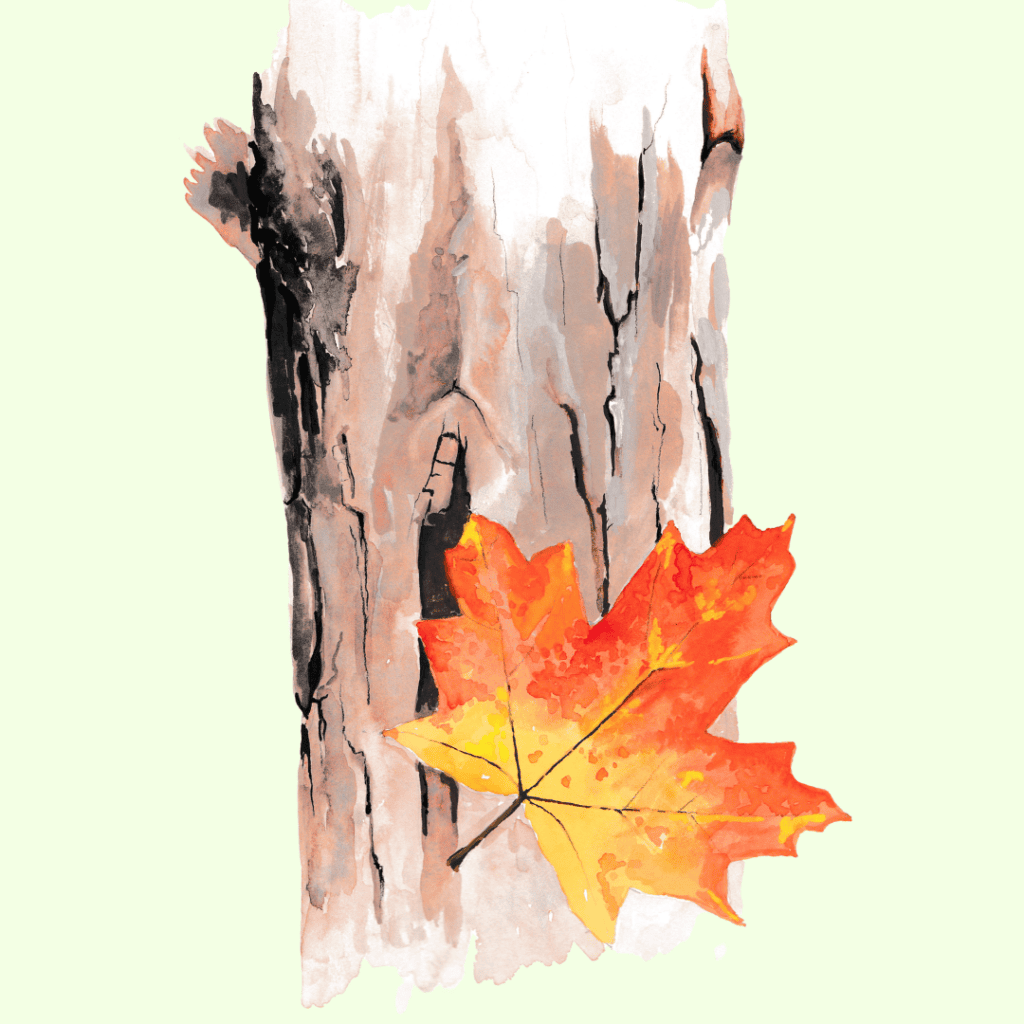
This tall hardwood tree accounts for much of the canopy in our forests. It features palmate, five-lobed leaves with pointed tips and gray bark. As the tree ages, its bark develops deep furrows and ridges.
In the fall, its leaves turn yellow, orange, and vivid red. In fact, if you look closely, a single leaf can display all these colors, along with shades in between. With so many color variations and distinct features on a single leaf blade, it’s like an everything bagel of autumn leaves.
Trails where they can be found: Coppiced Woods, Black Willow, Big Beech Woods, Paw Paw, Chinkapin, Hickory, Wild Hyacinth, Karst Climb, Limestone Gorge, Leatherwood
 Black Walnut
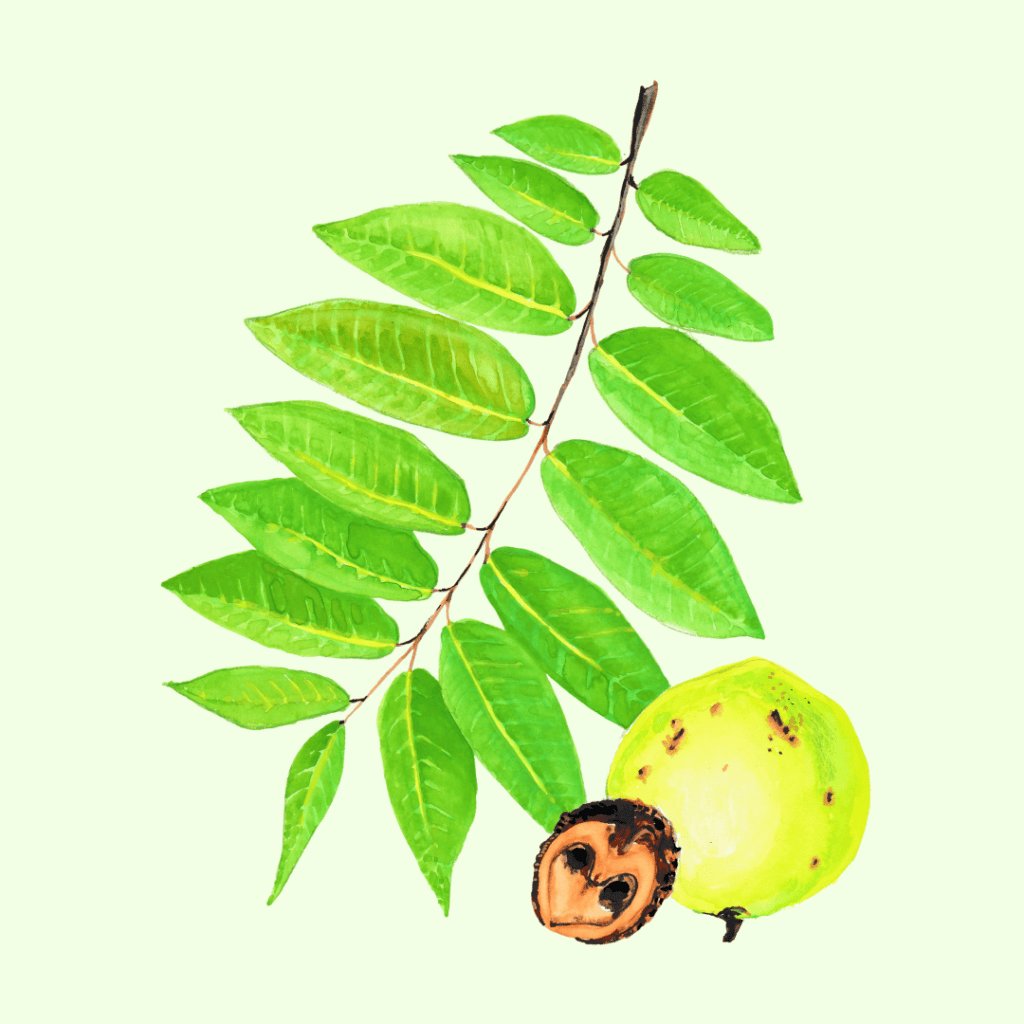
These trees, with their dark, deeply furrowed bark, thrive in bottomland and riparian forests. Their root structure helps them withstand occasional flooding. A grove of eastern American black walnuts mixed with some pecan trees can be found at The Strand. In the fall, the long, oval leaflets of their compound leaves turn bright yellow to yellow-brown before dropping.
Trails where they can be found: Valley of the Giants, Black Willow, Louisville Loop in The Strand, Boone Bottoms, Riparian Ramble
 White Oak
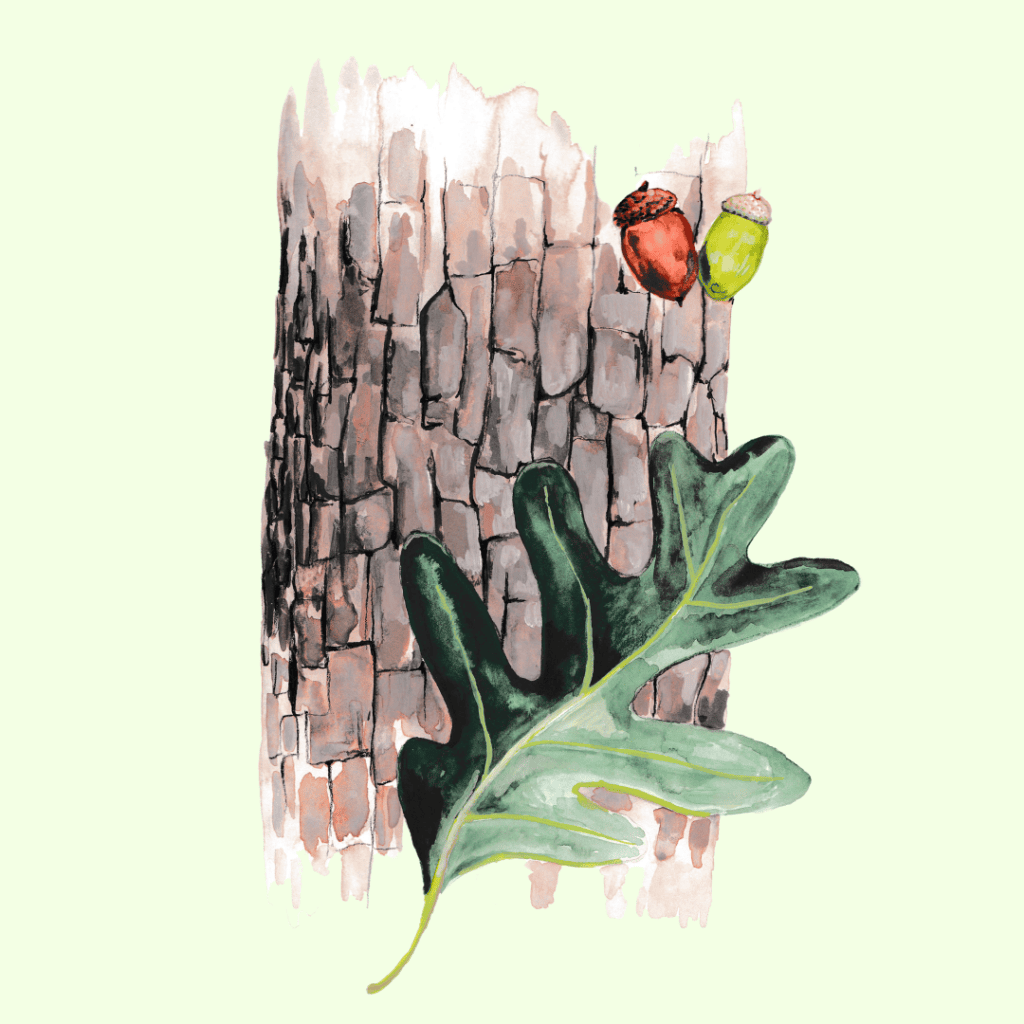
This tall tree has a wide crown and provides ample canopy cover. It is most often found in upland forests but can also tolerate lowland conditions. Its light gray bark is blocky and flaky, peeling away easily with a fingernail. Its smooth, lobed leaves display showy red hues in the fall.
Trails where they can be found: Coppiced Woods, Paw Paw
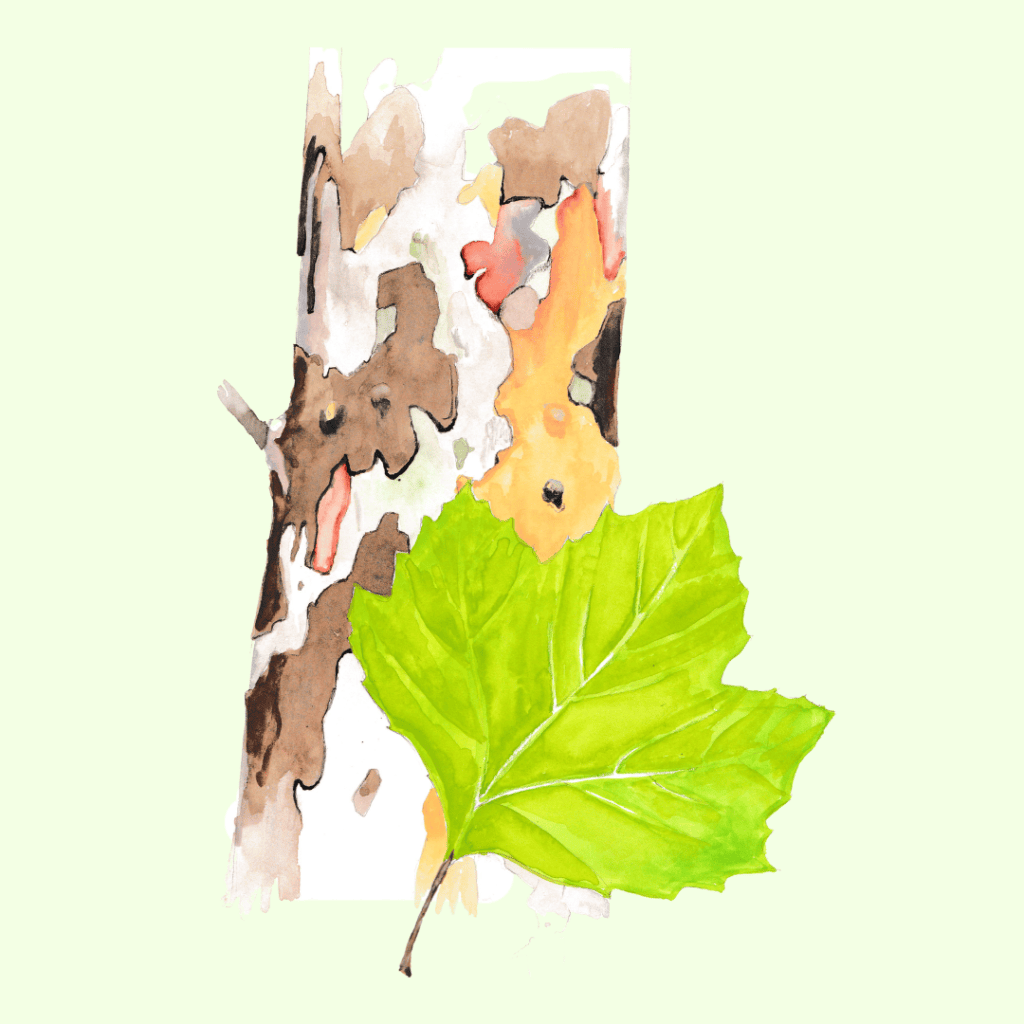 Sycamore
Sycamores in the parks are sometimes so large they look like they belong in storybooks. With a bit of luck and a good camera lens, you might spot various owl species nesting in their hollows.
The sycamore’s peeling white bark has earned it the nickname “Ghost in the Woods.” These trees are abundant in low-lying riparian forests and are often among the first to lose their broad, yellow-brown leaves in the fall.
Trails where they can be found: Sycamore, Valley of the Giants, Black Willow, Louisville Loop in The Strand, Boone Bottoms, Riparian Ramble
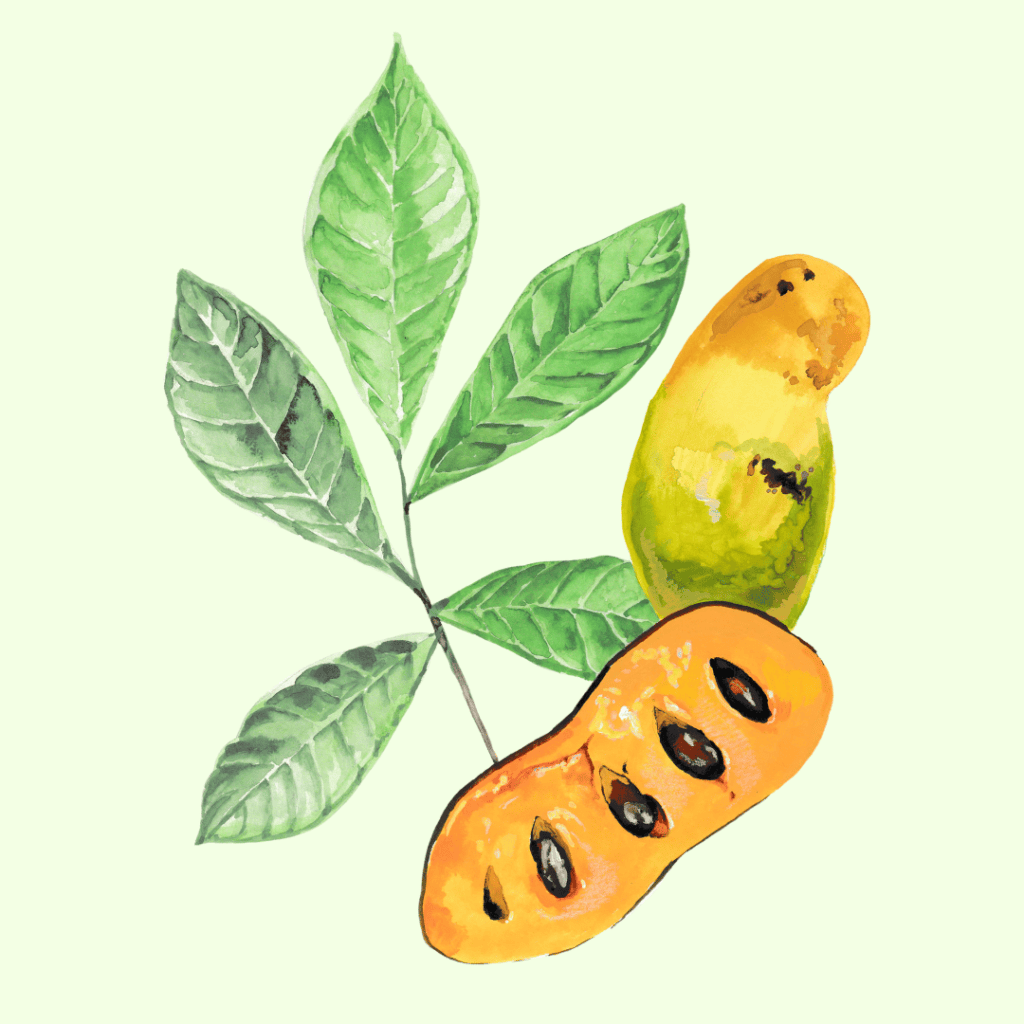 Pawpaw
The pawpaw has been growing in popularity in recent years, thanks in part to its large, sweet fruit, which resembles a mango and tastes like a banana. It grows in moist hardwood forests, where it often forms small colonies of understory trees. Its large, glossy green leaves have smooth edges and turn yellow-green to yellow in autumn, shortly after the fruit ripens.
Trails where they can be found: Paw Paw, Leatherwood, Moss Gibbs Woodland Garden
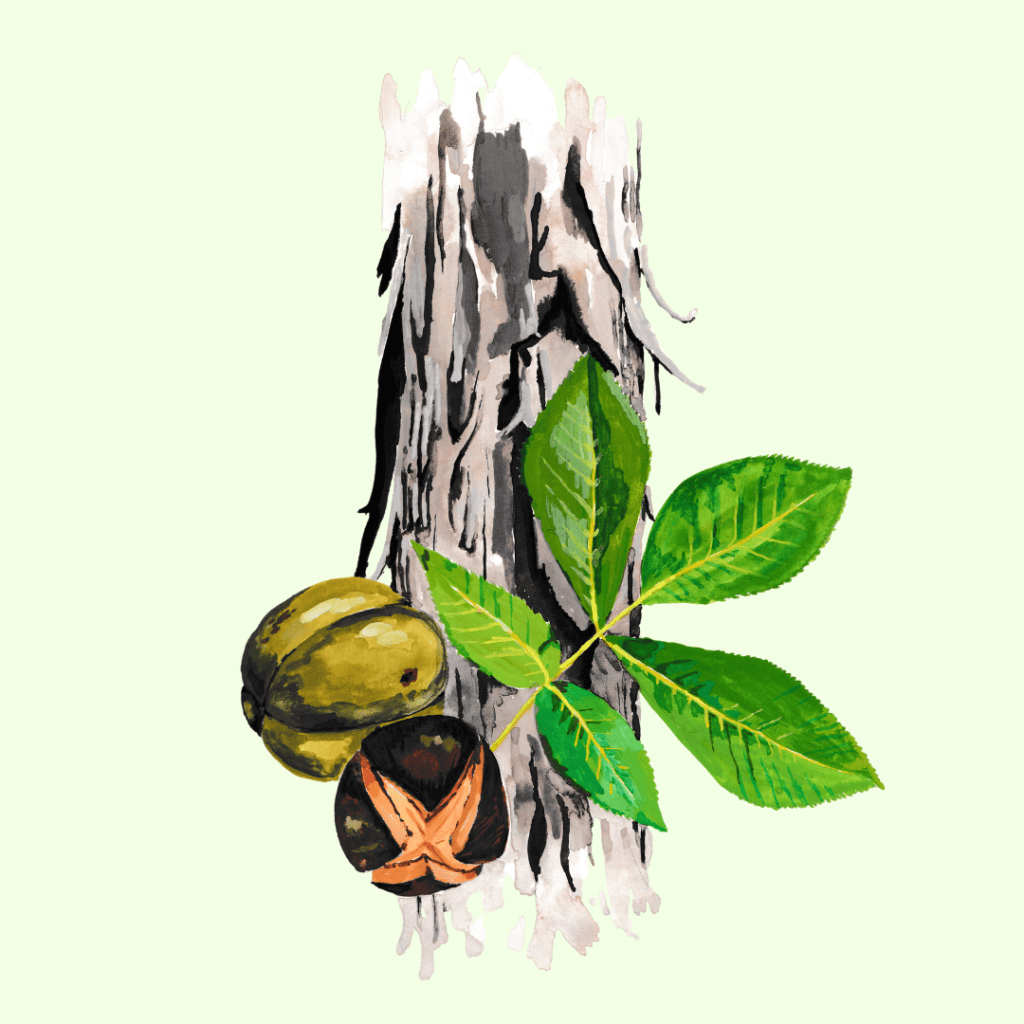 Shagbark Hickory
A slow-growing, tall tree, the shagbark hickory prefers upland forests. Its shaggy bark helps protect it from the effects of infrequent forest fires, which have shaped this region’s landscape. Tree-roosting bats also take shelter beneath its peeling bark in summer. Its compound leaves typically have five leaflets and turn rich golden hues in the fall, sometimes with shades of brown and copper.
Trails where they can be found: Coppiced Woods, Black Willow, Big Beech Woods, Paw Paw, Chinkapin, Hickory, Karst Climb
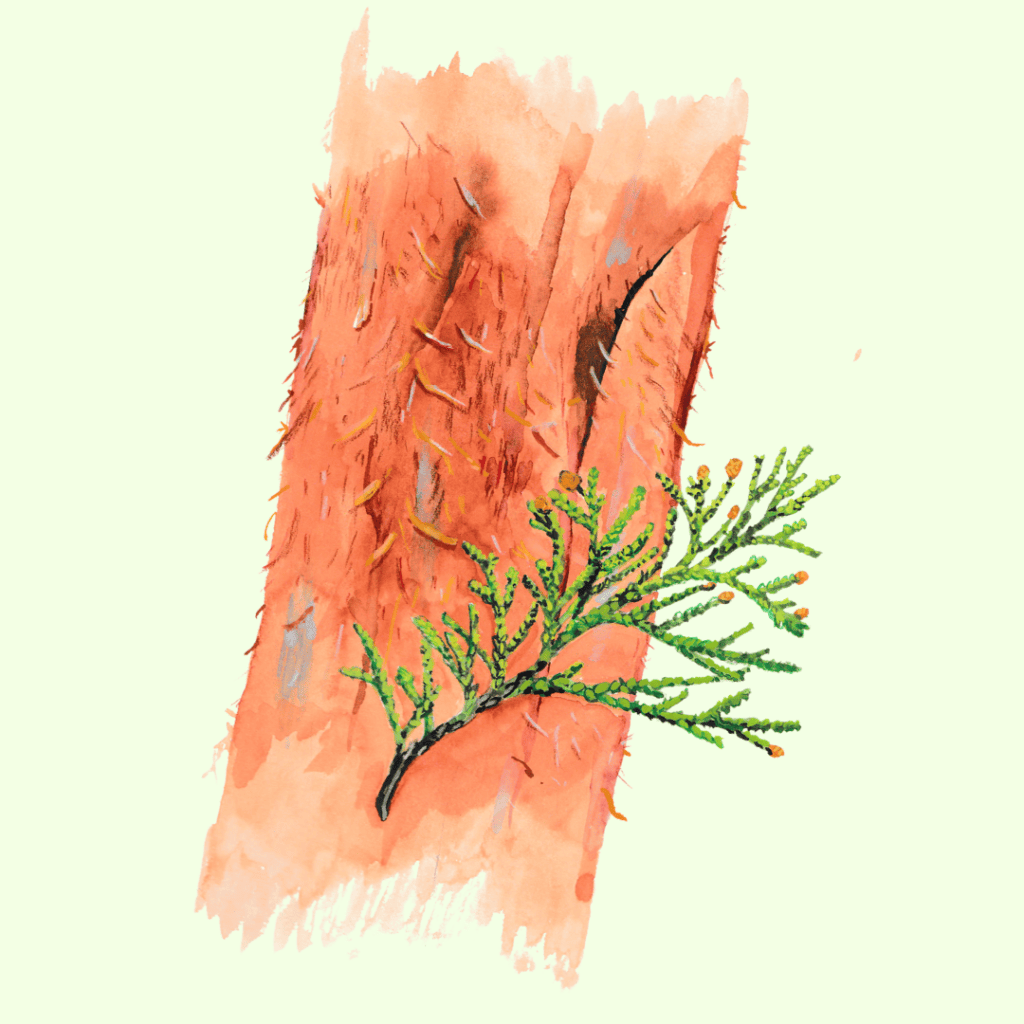 Eastern Red Cedar
One of the most prolific evergreen trees in this region, eastern red cedar thrives in well-drained soil and full sun. It is a common pioneer species and plays a major role in succession in prairies and meadows. This small- to medium-sized tree has a triangular shape and shredded-looking bark. Older needles toward the interior of the tree turn yellow, orange, or brown, and shed each fall.
Trails where they can be found: Coppiced Woods, Big Beech Woods, Paw Paw, Chinkapin, Hickory, Wild Hyacinth, Sky Meadow Excursion, Karst Climb, Limestone Gorge, Highland Crossing
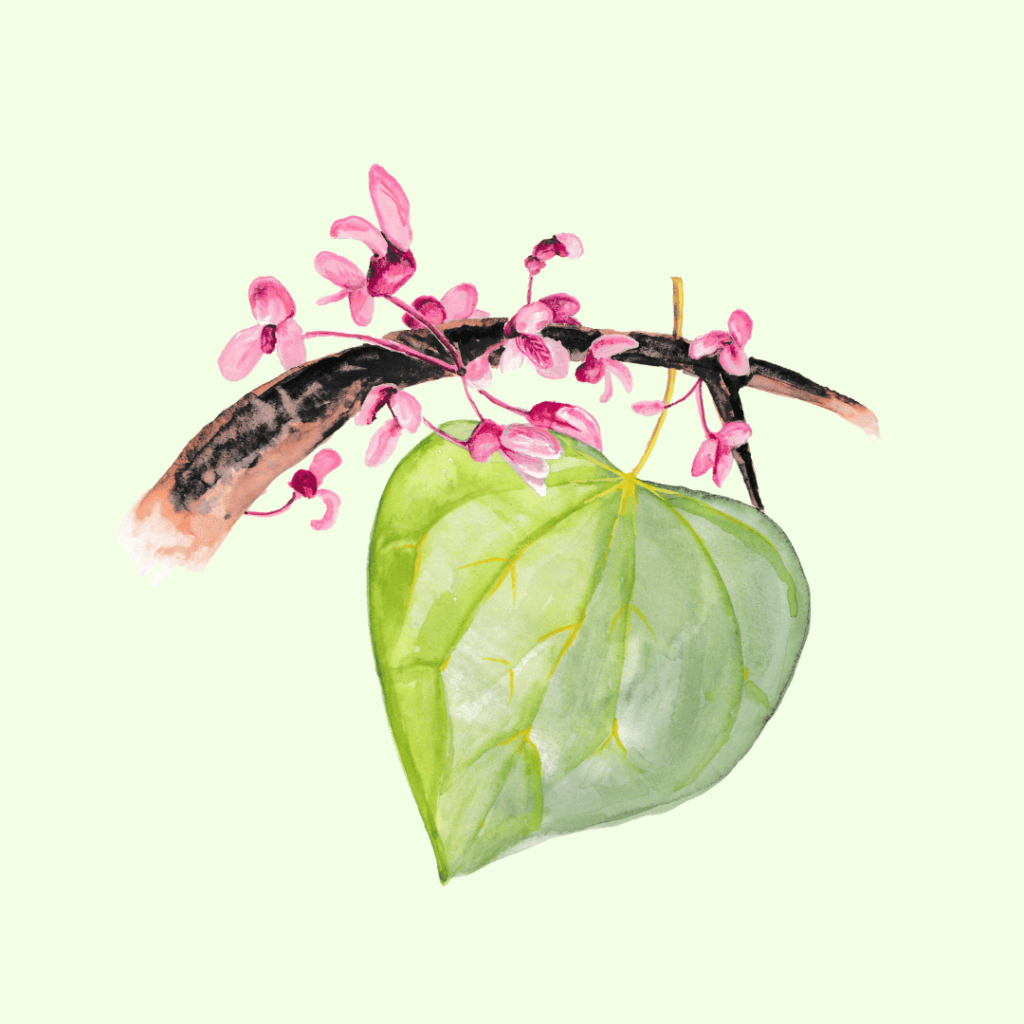 Eastern Redbud
Tolerant of a variety of habitats, including mature upland and lowland forests and forest edges, the eastern redbud can also act as a pioneer species in meadows. Its flowers are among the first to appear in spring, while its leaves turn vibrant yellow in autumn.
Trails where they can be found: Prairie Preserve, Big Beech Woods, Louisville Loop in The Strand, Wild Hyacinth, Moss Gibbs Woodland Garden
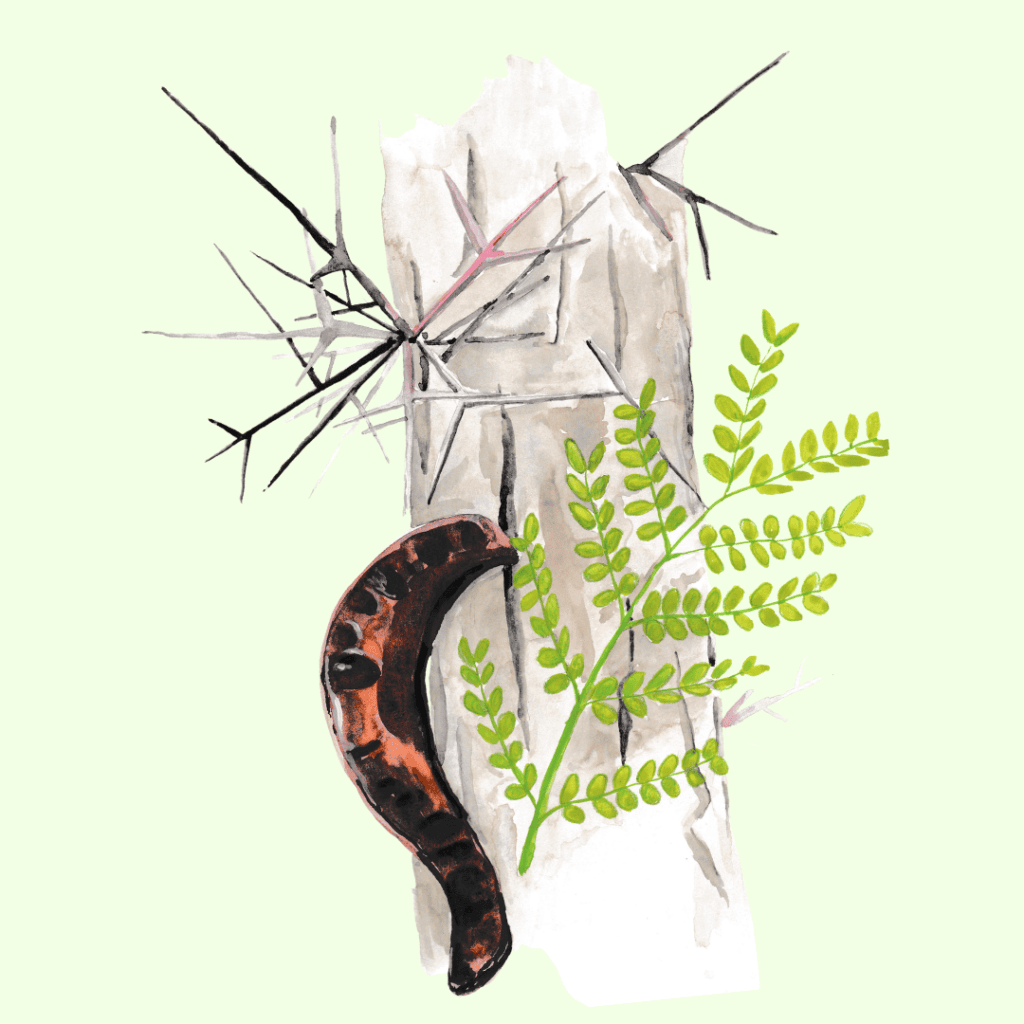 Honey Locust
With thorns that can be several feet long, honey locusts typically grow singly rather than in groups. They thrive in moist soils and are often found in riparian forests, abandoned fields, and along fence rows. Their formidable thorns may be an evolutionary holdover from a time when large herbivores, such as mammoths, roamed the land and fed on their sweet, nutrient-rich seed pods. The trees are often covered in lichen. Their fine, fern-like leaves turn yellow in autumn before dropping.
Trails where they can be found: Valley of the Giants, Osage Orange Explorer, Black Willow, Louisville Loop in The Strand, Paw Paw, Wild Hyacinth
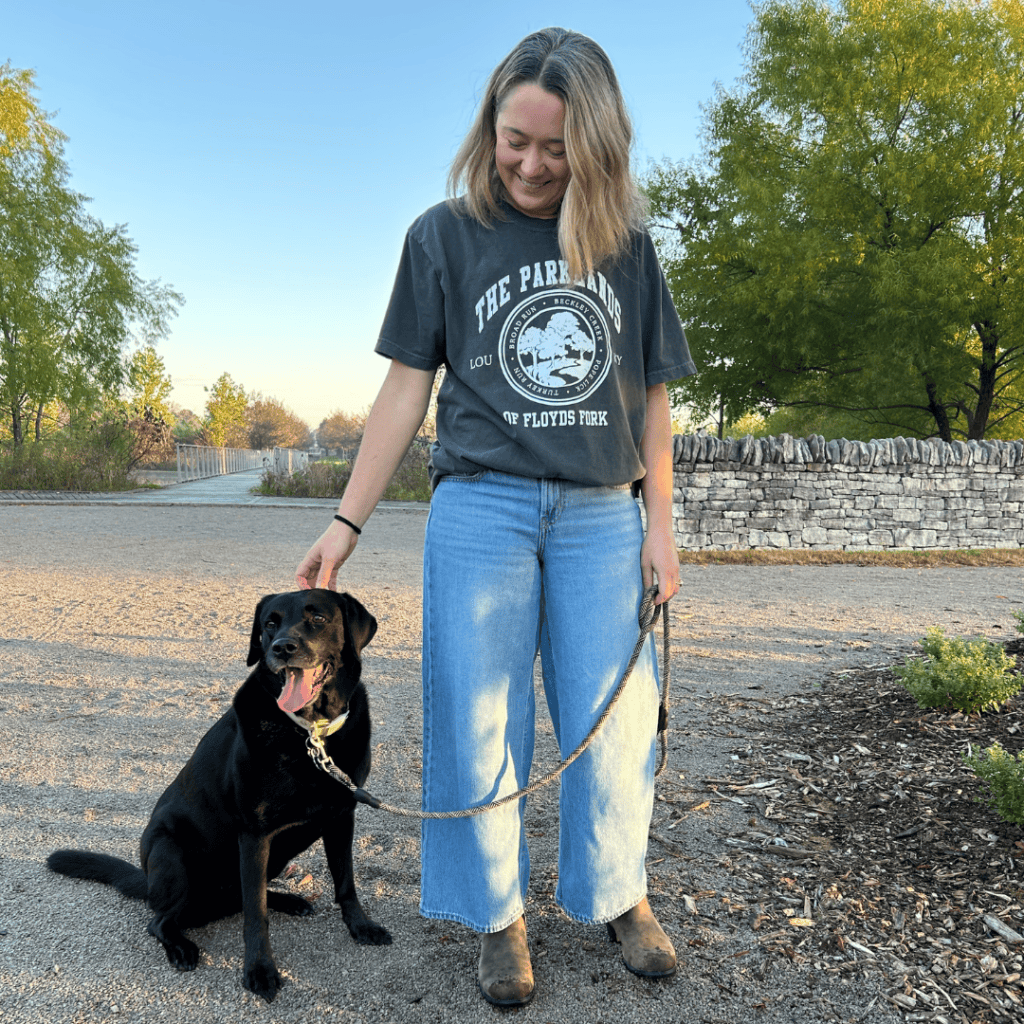
This article was adapted from our Guide to Trees at The Parklands pamphlet, which features illustrations by Erin Kinnetz, our Assistant Director of Education.
The first 150 people to order a T-shirt, sweatshirt, or hat as part of our 2026 Merch Sale, featuring tree designs, will receive a printed copy of the fold-out pamphlet with their order. Learn more about this limited-time sale and shop here!
As always, thank you for your support. We hope you have an opportunity to visit the parks and see the trees and their beautiful fall foliage in person!